
Introduction
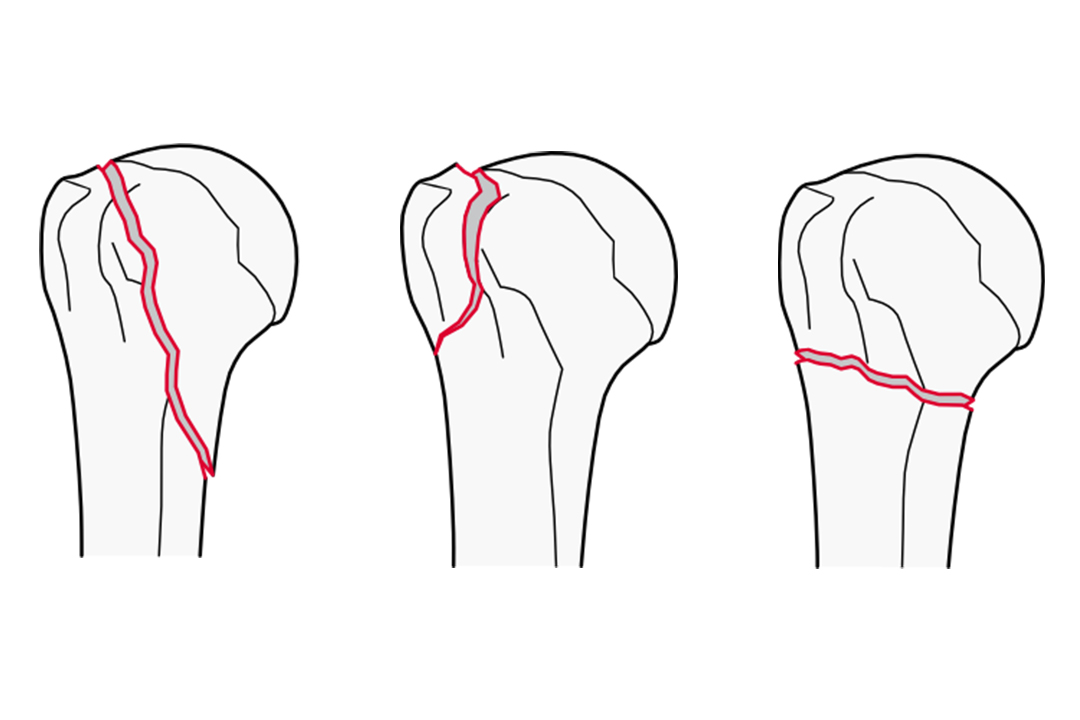
At Proximal humerus fractures remain one of the most complex injuries in orthopedic trauma, particularly when involving the surgical neck. These fractures not only disrupt bone integrity but significantly compromise shoulder biomechanics, making precise fixation critical for restoring function.
With advancements in locking plate technology, the PHILOS (Proximal Humerus Internal Locking System) plate has emerged as a reliable solution—offering stability, anatomical conformity, and early mobilization benefits.
Case Presentation
A 34-year-old patient presented with a proximal humerus unifocal surgical neck fracture following trauma. The injury resulted in pain, restricted shoulder movement, and functional limitation.
Patient Details:
- Age: 34 years
- Weight: 76 kg
- Diagnosis: Proximal Humerus Surgical Neck Fracture
- Location: Pune, India
Given the displacement and functional demands of the patient, surgical fixation was indicated to restore anatomy and enable early rehabilitation.
Surgical Approach & Technique
The procedure was performed using a standard deltopectoral approach, allowing optimal exposure of the fracture site while preserving soft tissue integrity.
After careful fracture reduction:
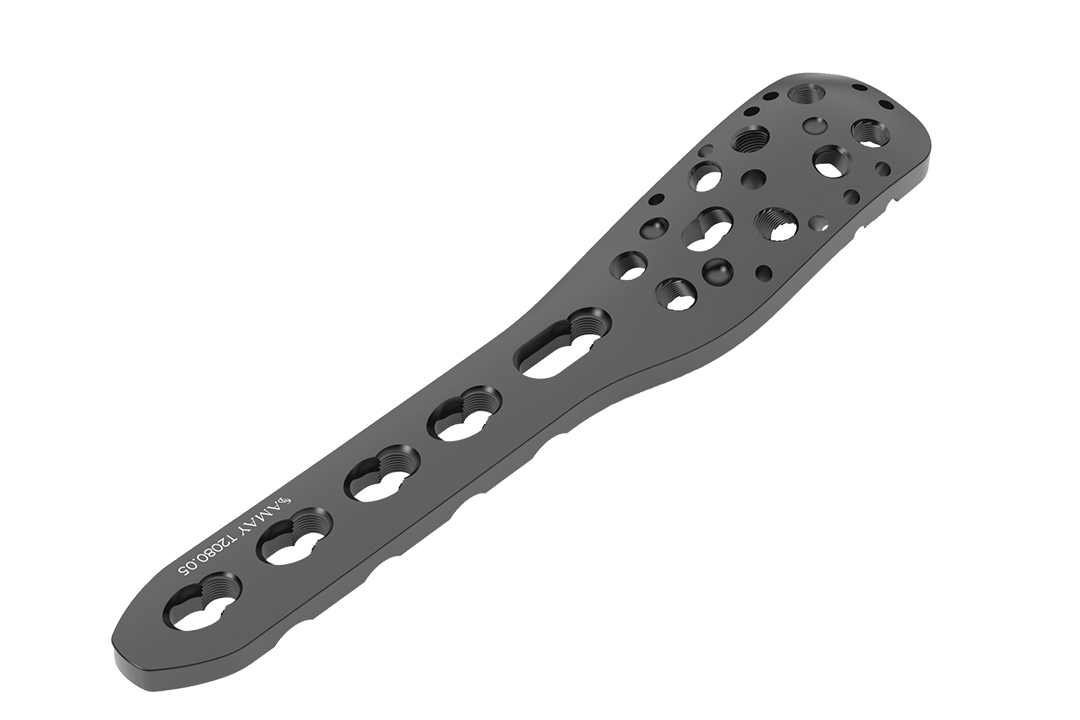
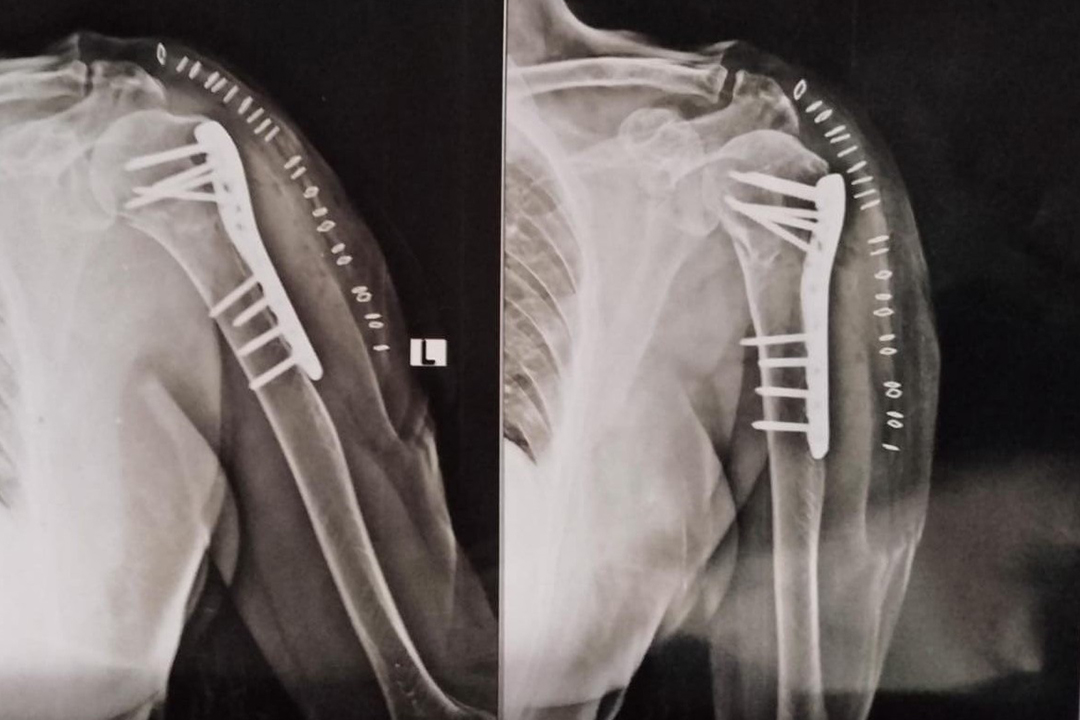
- A PHILOS Locking Plate (Short 3.5mm) was positioned laterally on the proximal humerus
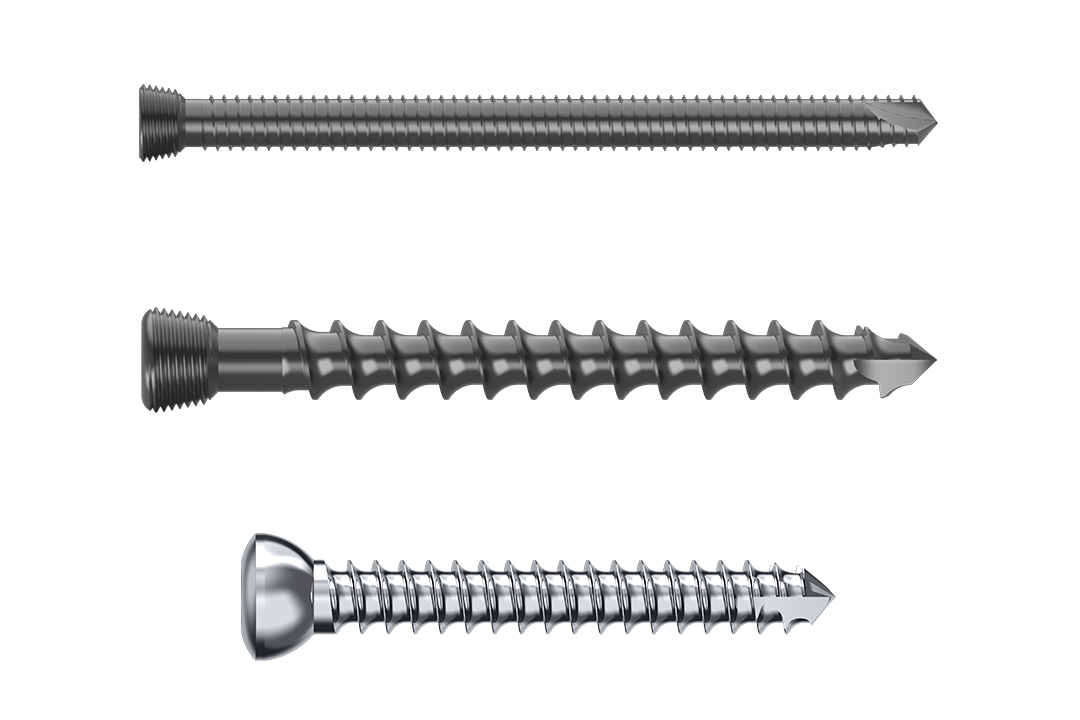
- Multi-directional locking screws were inserted into the humeral head to enhance angular stability
- Cortical screws secured the shaft, ensuring firm diaphyseal fixation
Given the displacement and functional demands of the patient, surgical fixation was indicated to restore anatomy and enable early rehabilitation.
This structured fixation strategy enabled:
- Strong angular stability
- Controlled compression across the fracture
- Precise anatomical alignment
Why PHILOS Plate?
The PHILOS system is specifically engineered for proximal humerus fractures, combining biomechanical strength with anatomical design.
Key Advantages:
- Angular Stability: Locking mechanism reduces risk of screw loosening
- Anatomical Contouring: Pre-shaped plate fits proximal humerus geometry
- Multi-Planar Screw Options: Enhances fixation in osteoporotic or cancellous bone
- Low Profile Design: Minimizes soft tissue irritation
- Premium Material: Titanium Grade 5 / SS 316L options for durability and biocompatibility
Implant specification:
| Implant | Material | Size |
|---|---|---|
| Expert Tibia Philos Locking Plate Short 3.5mm | Titanium GR.5 | 4 Hole |
| 3.5mm Locking Screw | Titanium GR.5 | 48mm & 46mm |
| 3.5mm Cortex Screw (Pitch 1.25) | Titanium GR.5 | 50mm |
| 3.5mm Cancellous Locking Screw Fully Threaded | Titanium GR.5 | 40mm & 50mm |
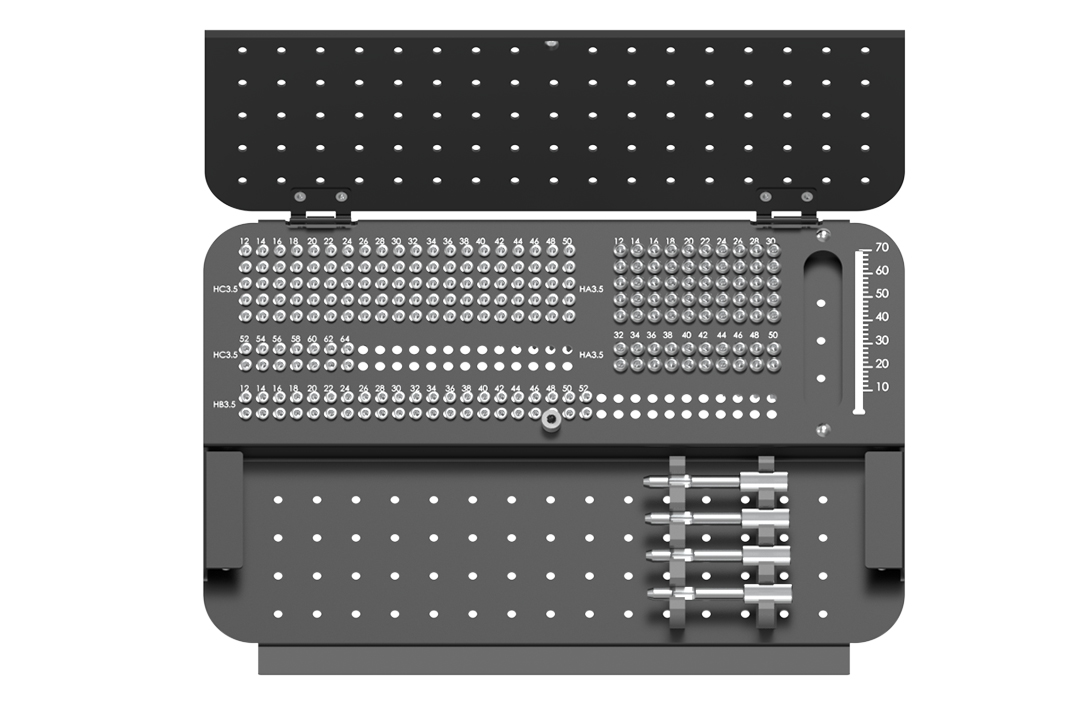
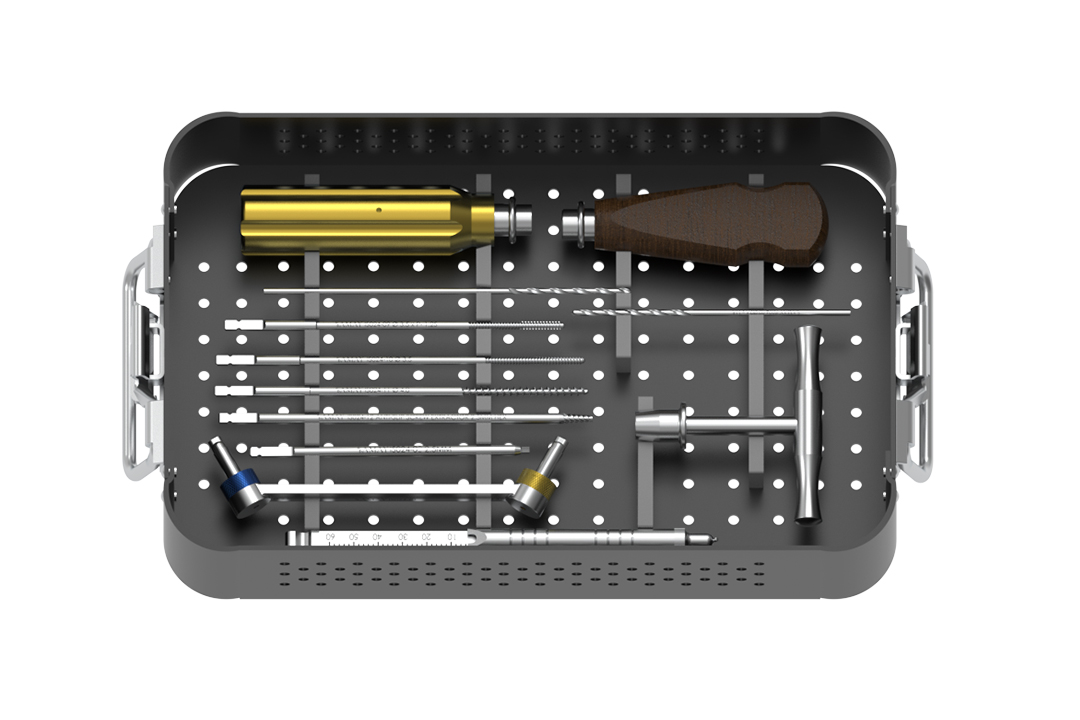
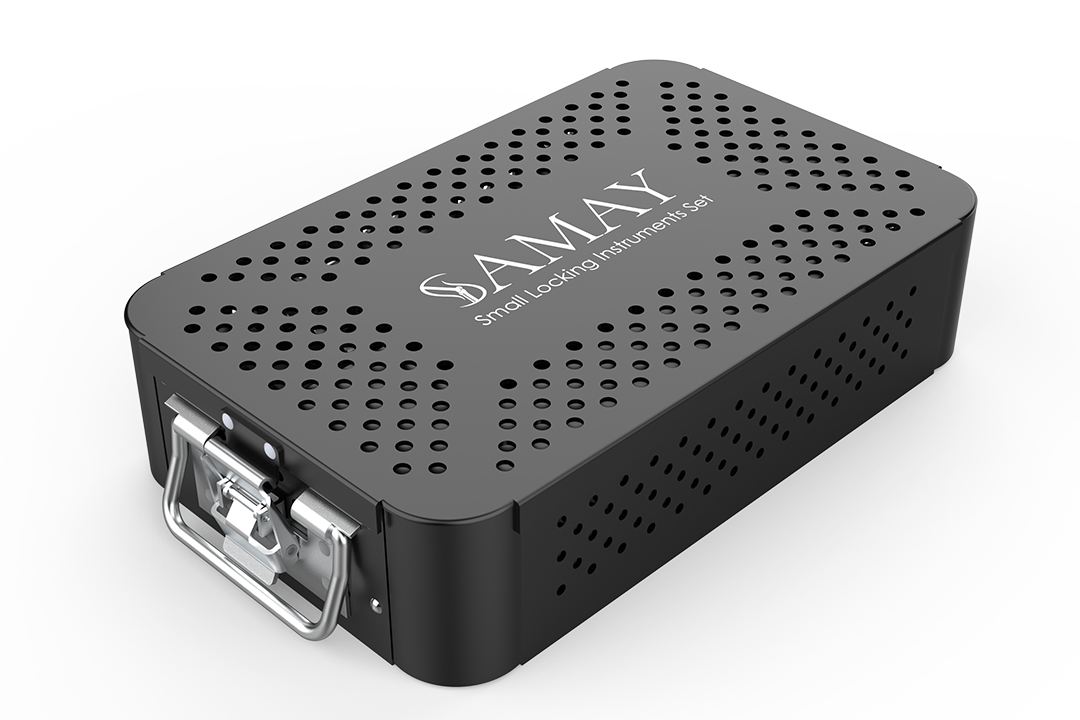
Instrument set – Small locking Instrument set
Samay Surgical’s Small Locking Instrument Set perfectly complements PHILOS procedures by ensuring accurate screw placement, smooth workflow, and reliable fixation. Designed for 3.5mm locking systems, it offers surgeon-friendly handling, seamless compatibility, and efficient OT performance—making every step faster, easier, and more precise.
Clinical Outcome
Post-operative evaluation demonstrated:
- Satisfactory fracture reduction
- Stable internal fixation
- Proper implant positioning
The patient achieved:
- Good radiological healing
- Reduced pain levels
- Improved shoulder mobility
- Return to daily functional activities
Radiographic Evaluation
Pre-operative X-ray: Displaced surgical neck fracture of proximal humerus
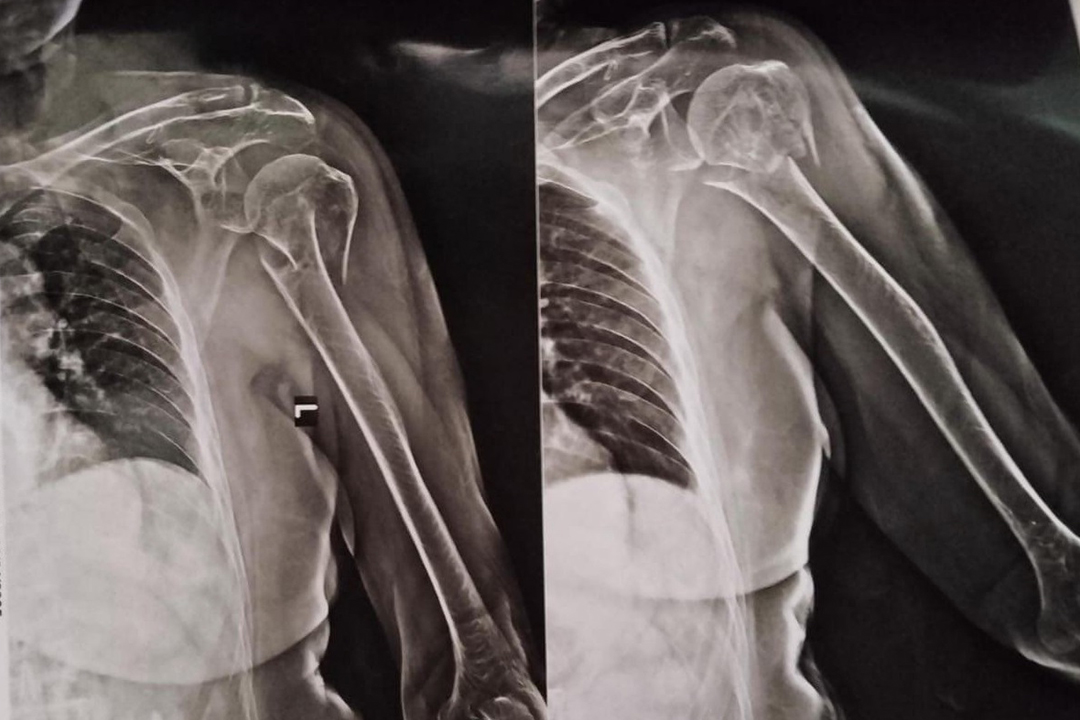
Post-operative X-ray: Anatomical reduction with stable fixation using PHILOS plate
Conclusion
This case highlights the effectiveness of the PHILOS Locking Plate system in managing proximal humerus fractures with precision and reliability. By combining anatomical design with angular stability, it enables surgeons to achieve predictable outcomes while supporting early functional recovery.
As orthopedic practices continue to evolve, such advanced fixation systems play a vital role in improving patient outcomes and surgical confidence.
Frequently Asked Questions:
1. What is a proximal humerus fracture?
A proximal humerus fracture is a break in the upper part of the arm bone near the shoulder joint. It commonly affects the surgical neck and can significantly limit shoulder movement and function.
2. What are the advantages of using a PHILOS plate?
Provides angular stability
Allows multi-directional screw placement
Ensures better fixation in weak or cancellous bone
Reduces risk of implant failure
Supports early mobilization
3. How long does recovery take after PHILOS plate fixation?
Recovery time varies, but generally:
Initial healing: 6–8 weeks
Functional recovery: 8–12 weeks
Full strength and mobility: up to 3–6 months
Early physiotherapy plays a crucial role in faster recovery.
4. Is the implant permanent or does it need removal?
In most cases, the implant can remain in the body permanently. However, removal may be considered if there is discomfort, irritation, or based on the surgeon’s recommendation.
5. Can patients regain full shoulder movement after surgery?
Yes, with proper surgical fixation and rehabilitation, most patients regain good to excellent shoulder function. Early physiotherapy is essential for optimal outcomes.
6. What materials are used in PHILOS plates?
PHILOS plates are typically made from:
Titanium Grade 5 (high strength, lightweight, biocompatible)
7. Why choose locking plate technology over traditional plates?
Locking plates provide fixed-angle stability, which is especially beneficial in:
Osteoporotic bones
Complex fractures
Cases requiring strong and reliable fixation
8. What type of fractures are best suited for PHILOS plating?
PHILOS plates are ideal for:
Surgical neck fractures
Osteoporotic bone fractures
Fractures requiring angular stability